
Filter
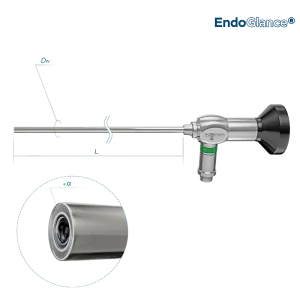
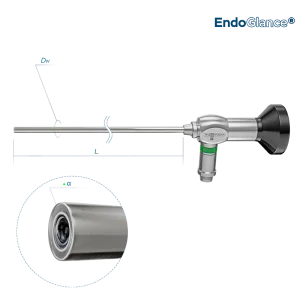
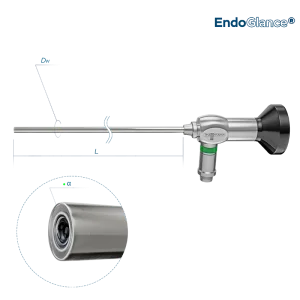
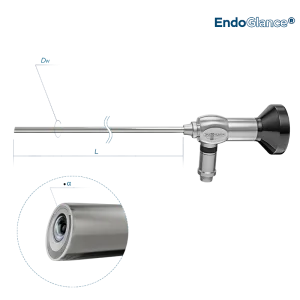
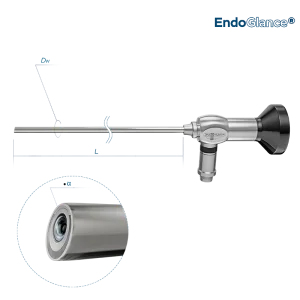
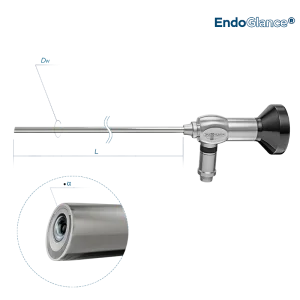
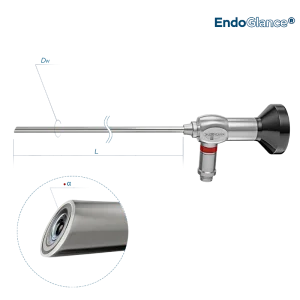
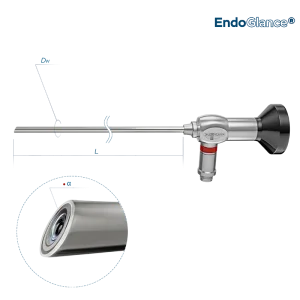
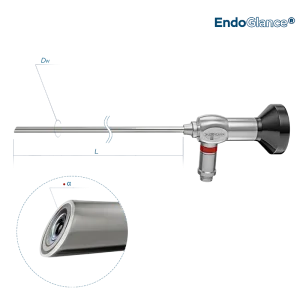
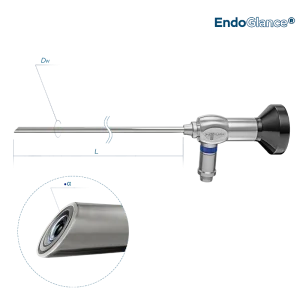
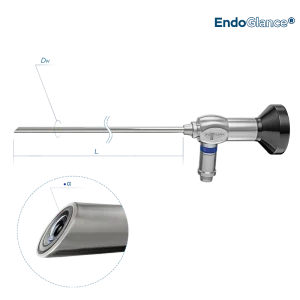
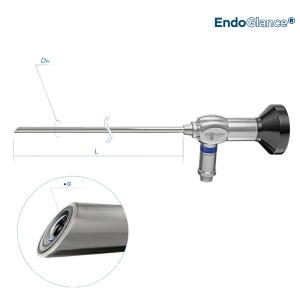
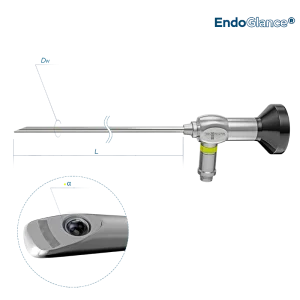
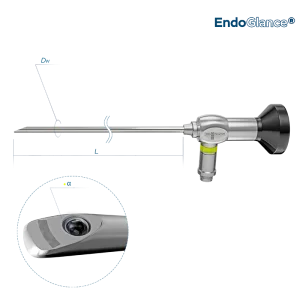
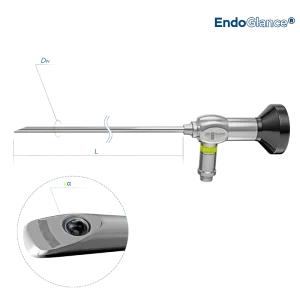
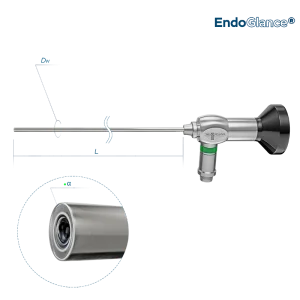
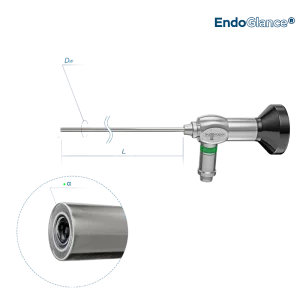
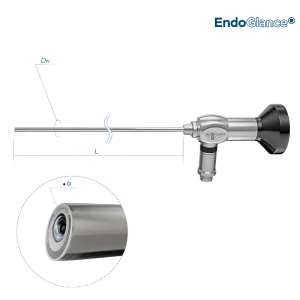
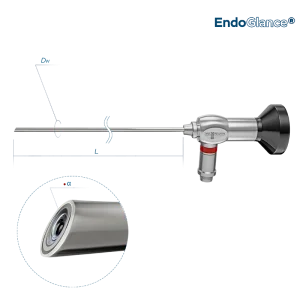
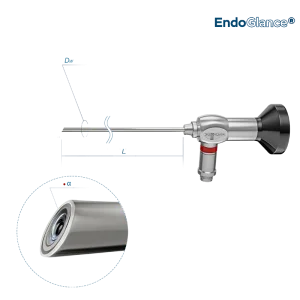
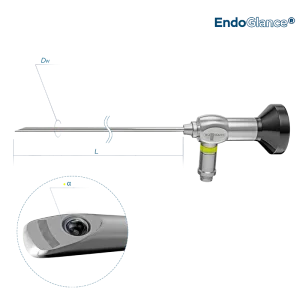
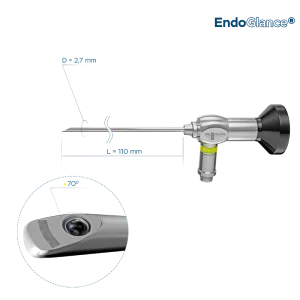
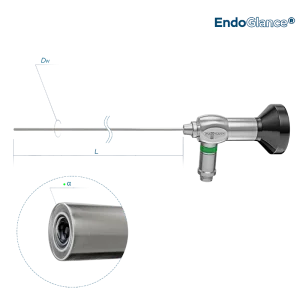
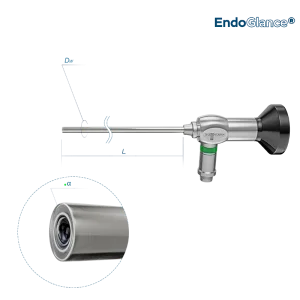
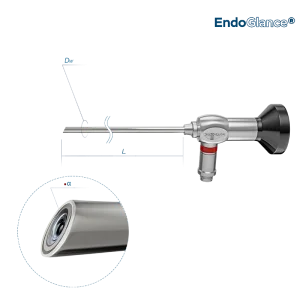
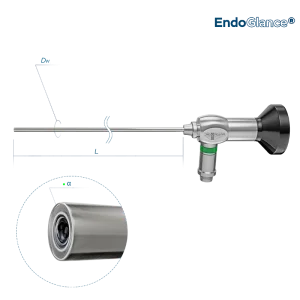
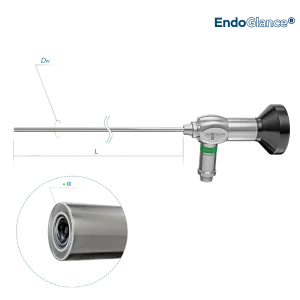
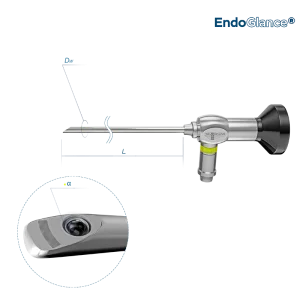
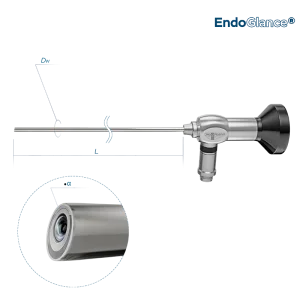
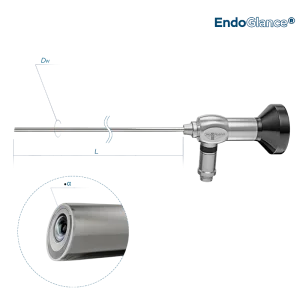
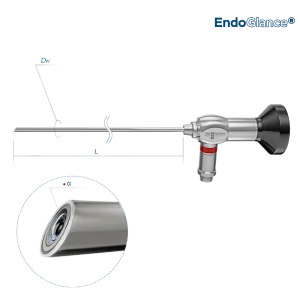
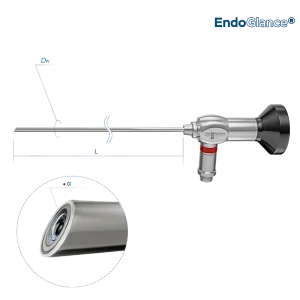
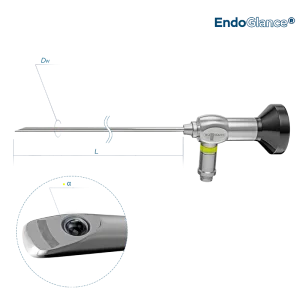
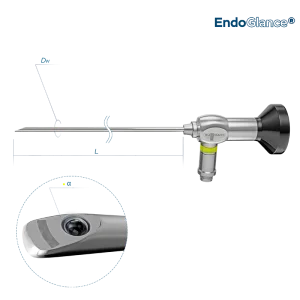
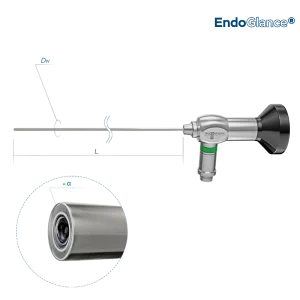
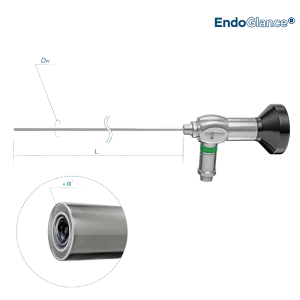
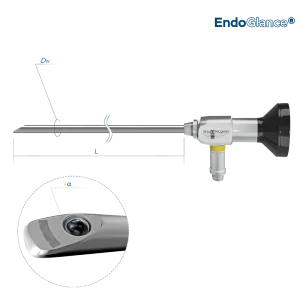
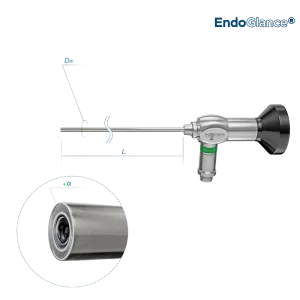
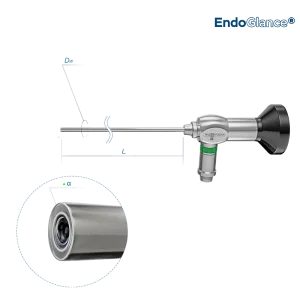
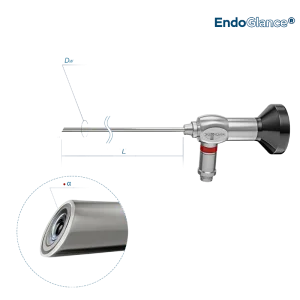
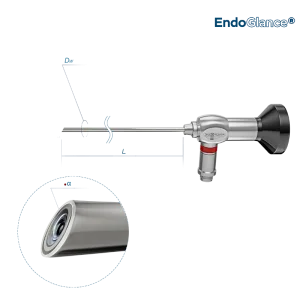
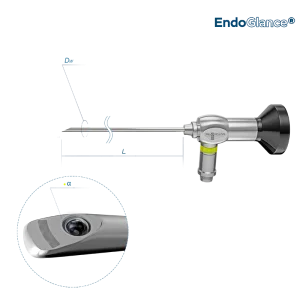
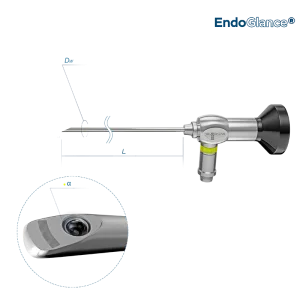
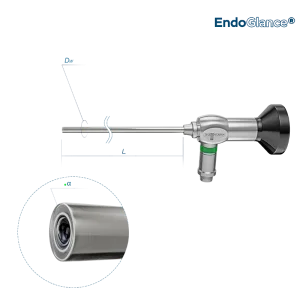
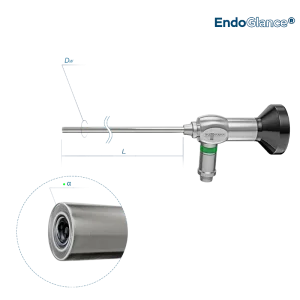
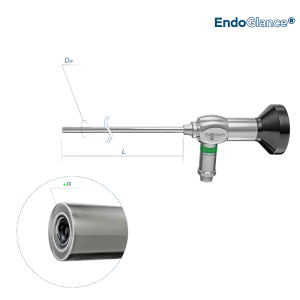
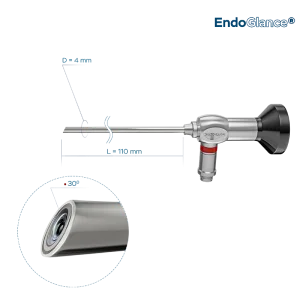
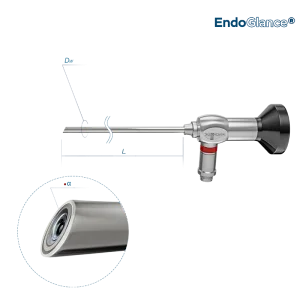
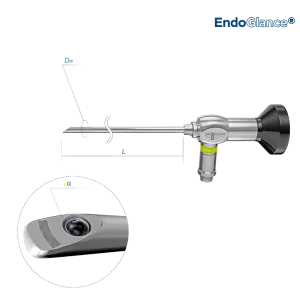
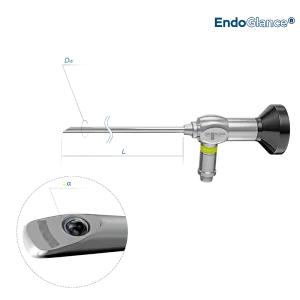
Rigid medical endoscopes transmit images from a body cavity during diagnostic or surgical procedures. A rigid metal tube contains two optical paths: one carries light into the cavity and the other transmits the image. The proximal eyepiece connects to the head of an endoscopic camera, which sends the image to the processing unit for display on a medical monitor. The endoscope also has a connector for light cables, which carry light into the endoscope from external light sources.
Endoscope diameter, length and direction of view vary by specialty. For example, scopes used in laparoscopic surgery are available in diameters of 3, 5 and 10 mm and lengths from 345 mm. These are called laparoscopes. For hysteroscopy, the range includes hysteroscopes in diameters of 1.9, 2.9 and 4 mm. The same diameters are available for cystourethroscopes used in urology. Shorter scopes include arthroscopesfor joint procedures and rhinoscopesfor nasal endoscopy. The rhinoscopes described here are 175 mm long and come in diameters of 1.9, 2.7 and 4 mm.