
Troakar is a medical surgical tool used to infuse the body through cloaked tissue and to provide access to other instruments to the operating cavity: laparoscopic, thoracoscopic and other, depending on the type of procedure to be performed.
Troakar – A medical surgical instrument, which is used when entering the body cavity through cloaked tissue and providing access to other instruments to the operating cavity: laparoscopic, thoracoscopic and other, depending on the type of procedure to be performed.
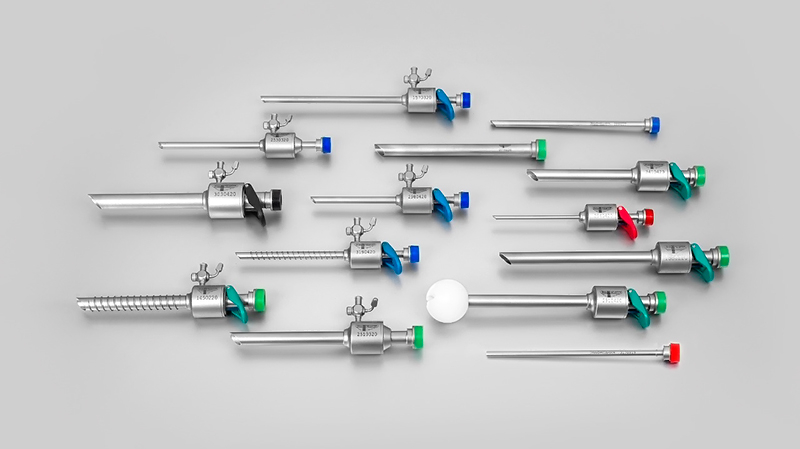
Figure.1. Troachars of INGOs Production Endomedium®
Troachors are a fairly complex medical tool, consisting of several components in its composition:
Tube (tubus, casing, cannula) – The floor tube used to enter and direct the tools is the working channel. This is the part of the troakar that is in the body cavity and prevents the fabrics from connecting.
valve mechanism – This mechanism is designed to close the working channel when the tools are removed and replaced from the troakar laparoscopic Operation: Troachers are generally used in thoracoscopic operations without a valve mechanism, as the thoraccopy does not cause overpressure in the cavity.
Carbon dioxide tap – is designed to connect the gas supply system to the insuffators. It can also be used in some cases to desuffle the gas from the cavity – for example, when the gas is heavily smoked in the cavity when using electrosurgery machines.
throat – is designed to be leakproof with the instrument inserted, usually in the form of a rubber cap and metal nut with a flat silicone pad and at the proximal end
Troacar diameter 5-6 mm Use additional manipulation tools - scissors, pins, clamps, agglometers and other instruments of diameter 5 mm, and for introduction laparoscope 5 mm with diagnostic laparoscopy, child surgery and mini-paroscopy;
Troacar diameter 10-11 mm It's a classic version, used for input laparoscope diameter 10 mm, and a variety of tools: extensions, retractions, clips, aspiration and irrigation tools, also through this troacar, usually evacuate the organs removed;
Troacar diameter 13.5 mm used for the introduction of stitching machines and gerniosteers;
Troachers with diameter 15, 18, 20, 22 mm and above used for other specific tools or devices – e.g. choppers morcellator fabric.
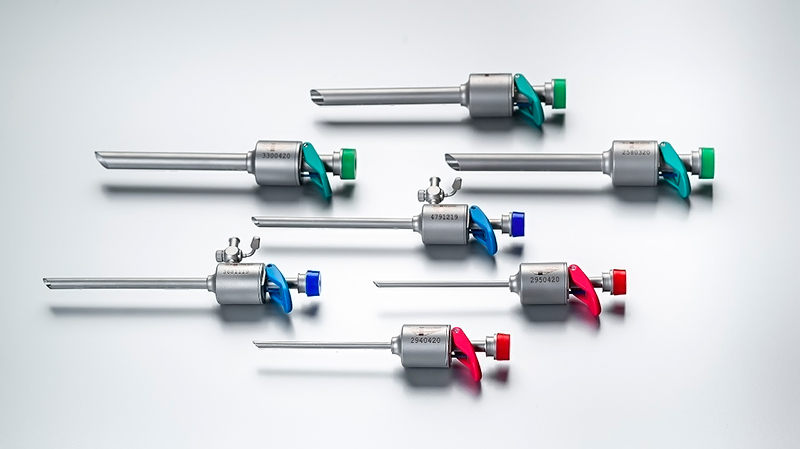
Figure. 2. Troachers of different diameters of INGOs Endomedium®
Troacar with balloon valve – in this type of balloon mechanism (metallic) The advantage of the triacar valve mechanisms in simple design and the absence of different springs, cushions and other elements, but this type of Troakara has significant disadvantages: the inability to perform endoscopy in the troacar data because the endoscopy balloon strikes the lens at the distal end, which usually results in failure laparoscope. The lack of manual opening of the work channel and the difficulty of cleaning the triacara with the type of valve mechanism is also a significant disadvantage.
Troacar with universal coil valve — The valve is designed as a coil of a gaping hole in a troakar, under spring operation. A coil of this type of troakar is moved aside when the instrument is introduced and returned when the instrument is removed. Also, a troacar with such a type of valve is able to open the working channel manually by means of a button or lever.
Troach with a peppet (silicone, rubber) by the valve — The valve of this type is made of elastic petals, typically made of silicone. When the instrument is introduced, the petals are moved, the extraction returned to the place. Through the troach is convenient and comfortable to operate, but the valve mechanism is not functioning quickly enough, by mechanical damage to the petals by another instrument, or by cleaning.
Troacar without valve – The type of Troakara does not have a valve mechanism and does not provide a leakproof cavity if it does not contain an instrument.
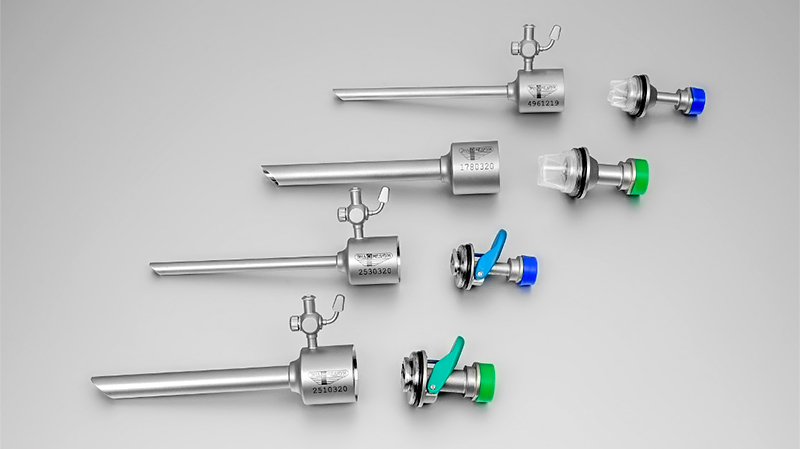
Figure.3. Troachers with universal and silicone valve and smooth mibus of INGO Endomedium®
Troacar with smooth tubus – The tube is not cut, sectioned, but is a smooth floor tube.
thoracic Troakers – For chest surgery - thracoscopy
Artroscopy Troachers – Artroscopy is used in joint operations
Troachers for Rhinoscopy - in rinology and surgery.
multiple-use Troacar – This type of troakar can be used repeatedly because it is consistent with all permitted sterilization methods of a medical instrument.
Figure.1. Troachars of INGOs Production Endomedium®
Troakar construction
Visually, the Troacar is a metal tube through which tools are inserted into the body.Troachors are a fairly complex medical tool, consisting of several components in its composition:
Tube (tubus, casing, cannula) – The floor tube used to enter and direct the tools is the working channel. This is the part of the troakar that is in the body cavity and prevents the fabrics from connecting.
valve mechanism – This mechanism is designed to close the working channel when the tools are removed and replaced from the troakar laparoscopic Operation: Troachers are generally used in thoracoscopic operations without a valve mechanism, as the thoraccopy does not cause overpressure in the cavity.
Carbon dioxide tap – is designed to connect the gas supply system to the insuffators. It can also be used in some cases to desuffle the gas from the cavity – for example, when the gas is heavily smoked in the cavity when using electrosurgery machines.
throat – is designed to be leakproof with the instrument inserted, usually in the form of a rubber cap and metal nut with a flat silicone pad and at the proximal end
Type of Troakar
Troakara can be classified into several groups according to different characteristics:By diameter of the working channel
Troacar diameter 2-3 mm used in miniparoscopy and paediatric and child surgery;Troacar diameter 5-6 mm Use additional manipulation tools - scissors, pins, clamps, agglometers and other instruments of diameter 5 mm, and for introduction laparoscope 5 mm with diagnostic laparoscopy, child surgery and mini-paroscopy;
Troacar diameter 10-11 mm It's a classic version, used for input laparoscope diameter 10 mm, and a variety of tools: extensions, retractions, clips, aspiration and irrigation tools, also through this troacar, usually evacuate the organs removed;
Troacar diameter 13.5 mm used for the introduction of stitching machines and gerniosteers;
Troachers with diameter 15, 18, 20, 22 mm and above used for other specific tools or devices – e.g. choppers morcellator fabric.
Figure. 2. Troachers of different diameters of INGOs Endomedium®
By type of valve unit
Troachard with a plunger (plunjer Troacars) - in a given type of valve mechanism, the service tunnel is closed perpendicularly to the cylinder (Plunger). The cylinder is spring-sprayed and, when the instrument is removed, the cylinder closes the Troakar service channel under spring action. The opening of the valve mechanism is performed by a doctor, when pressing the Plunger button. At present, most manufacturers have abandoned this type of Troakar valve because of its significant deficiencies: the difficulty of manipulation by the instrument, by constant pressure of the Plunger on the instrument, damage to the distal end of the endoscopy, possible damage to surgical threads, difficulty in cleaning and sterilization.Troacar with balloon valve – in this type of balloon mechanism (metallic) The advantage of the triacar valve mechanisms in simple design and the absence of different springs, cushions and other elements, but this type of Troakara has significant disadvantages: the inability to perform endoscopy in the troacar data because the endoscopy balloon strikes the lens at the distal end, which usually results in failure laparoscope. The lack of manual opening of the work channel and the difficulty of cleaning the triacara with the type of valve mechanism is also a significant disadvantage.
Troacar with universal coil valve — The valve is designed as a coil of a gaping hole in a troakar, under spring operation. A coil of this type of troakar is moved aside when the instrument is introduced and returned when the instrument is removed. Also, a troacar with such a type of valve is able to open the working channel manually by means of a button or lever.
Troach with a peppet (silicone, rubber) by the valve — The valve of this type is made of elastic petals, typically made of silicone. When the instrument is introduced, the petals are moved, the extraction returned to the place. Through the troach is convenient and comfortable to operate, but the valve mechanism is not functioning quickly enough, by mechanical damage to the petals by another instrument, or by cleaning.
Troacar without valve – The type of Troakara does not have a valve mechanism and does not provide a leakproof cavity if it does not contain an instrument.
Figure.3. Troachers with universal and silicone valve and smooth mibus of INGO Endomedium®
By Tubus type
Troacar vintage – Tube has a screw cut designed to better fix the troak in the cloaked tissue. A troaucar with this type of tubus is inserted into the fabric when installed and rotated with the triacar removed from the tissue.Troacar with smooth tubus – The tube is not cut, sectioned, but is a smooth floor tube.
For scope
laparoscopic Troakara – applicable, in laparoscopic Surgery and laparoscopic Gynaecology.thoracic Troakers – For chest surgery - thracoscopy
Artroscopy Troachers – Artroscopy is used in joint operations
Troachers for Rhinoscopy - in rinology and surgery.
Applicable
One-time Troacar – generally made of plastic, presented in sterile and intended for single use. Resterilization and use of Troakara data are prohibited.multiple-use Troacar – This type of troakar can be used repeatedly because it is consistent with all permitted sterilization methods of a medical instrument.